Biophilic Design for Charleston Homes
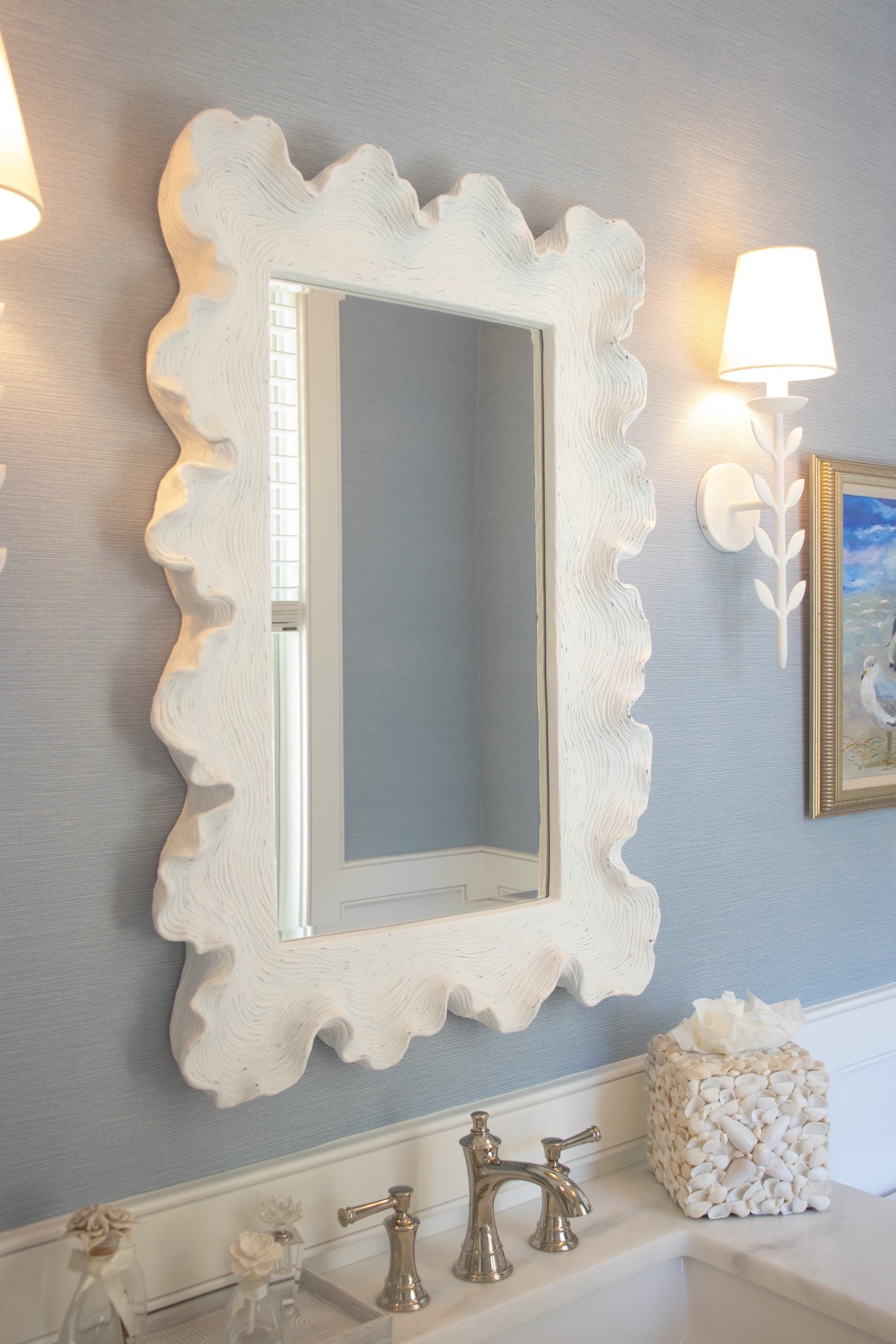
Biophilic design has become one of the most talked-about interior design movements in recent years, and it’s easy to understand why. At its core, biophilic design is about creating a stronger connection between your home and the natural world. When done thoughtfully, it can make a space feel calmer, warmer, and more restorative.
For Charleston homes, this design approach feels especially fitting. The Lowcountry is full of natural inspiration, from marsh grasses and live oaks to coastal light, oyster shells, waterways, and lush gardens. Biophilic design allows those outdoor elements to influence the way your interiors look, feel, and function.
While adding plants is a wonderful place to start, biophilic design goes far beyond greenery. It can include organic shapes, natural textures, sustainable materials, soft color palettes, abundant daylight, and better indoor-outdoor flow. The goal is to create a home that feels connected to its surroundings and supportive of the people who live there.
So, how can you bring more biophilic design into your Charleston home? Let’s start with the basics.
What Is Biophilic Design?
Biophilic design is an interior design and architectural approach that brings elements of nature into built spaces. The term comes from “biophilia,” which refers to the natural human desire to connect with the outdoors and living things.
In the home, biophilic interior design may show up through natural materials, thoughtful lighting, organic forms, earthy colors, plants, water-inspired details, and layouts that create a stronger relationship between indoor and outdoor living.
But biophilic design is not just about how a home looks. It is also about how a home feels. A well-designed biophilic space should feel grounding, comfortable, and connected to the environment around it.
Why Biophilic Design Works So Well in Charleston
Charleston homes already have a natural relationship with the outdoors. Porches, courtyards, garden paths, large windows, and breezy living spaces are part of the way many Lowcountry homes are designed. Biophilic design builds on those features and makes the connection even stronger.
Instead of designing a home that feels separate from its setting, biophilic design allows the surrounding landscape to become part of the design story. A room might pull color inspiration from the marsh, texture from woven grasses, warmth from natural wood, or softness from the filtered light that comes through a linen curtain.
This approach creates interiors that feel timeless, relaxed, and deeply rooted in place.
How Does Biophilic Design Impact Well-Being?
One of the reasons biophilic design has become so popular is because of the way it can affect how people feel in their homes. Natural light, organic materials, greenery, and views of nature can help make a space feel more peaceful and restorative.
A home designed with biophilic principles may feel less overwhelming and more inviting. Soft textures, warm materials, and nature-inspired colors can create a sense of ease. For busy families, professionals working from home, or anyone looking to make their home feel more like a retreat, biophilic design can support a slower, more grounded way of living.
In Charleston, where the natural environment is such a meaningful part of daily life, bringing that feeling indoors can make a home feel even more personal and connected.
How Can I Add More Biophilic Design to My Home?
There are many ways to incorporate biophilic design into your home, whether you are starting with a single room refresh or planning a larger renovation.
1. Maximize Natural Light
Natural light is one of the most important elements of biophilic design. In Charleston homes, where sunlight can be warm and abundant, the goal is to let light in while still maintaining comfort.
Consider lighter window treatments, well-placed mirrors, soft neutral paint colors, and furniture layouts that do not block windows. Even small changes can make a room feel brighter and more open.
2. Choose Natural Materials
Materials like wood, stone, linen, rattan, jute, clay, and cotton add texture and warmth to a space. These finishes feel timeless and help create a more organic interior.
For a Lowcountry home, this might look like woven lighting, white oak furniture, linen drapery, natural fiber rugs, or stone surfaces that feel refined without being too formal.
3. Use a Nature-Inspired Color Palette
Biophilic design often starts with colors found outdoors. In Charleston, inspiration is everywhere: soft marsh green, sandy beige, oyster white, warm clay, deep brown, muted blue, and pale sky tones.
These colors can help a room feel calm and cohesive while still reflecting the character of the Lowcountry.
4. Create Better Indoor-Outdoor Flow
Charleston homes are known for porches, patios, gardens, and courtyards. Biophilic design encourages those areas to feel like natural extensions of the interior.
You can strengthen this connection by aligning indoor furniture with outdoor views, using similar materials inside and outside, or creating comfortable transition spaces near doors and windows.
5. Add Greenery With Intention
Plants are one of the easiest ways to introduce biophilic design, but the key is to use them thoughtfully. Choose plants that suit your home’s light, humidity, and maintenance needs.
A large statement plant, a few herbs in the kitchen, or greenery placed near a sunny window can bring life and movement into a room without overwhelming the design.
6. Incorporate Organic Shapes
Curved furniture, rounded mirrors, arched openings, handmade ceramics, and irregular textures can make a space feel softer and more natural. These details help balance straight architectural lines and add a sense of ease.
Organic shapes are especially useful in modern or newly built homes that need warmth and character.
7. Focus on Texture
Texture is one of the most effective ways to make a home feel connected to nature. Woven baskets, grasscloth wallpaper, linen upholstery, reclaimed wood, natural stone, and hand-formed pottery all add depth.
Layering these materials creates a space that feels relaxed, collected, and inviting.
Bringing Biophilic Design Into Your Charleston Home
Biophilic design is more than a trend. It is a way of designing that makes the home feel more connected, comfortable, and alive. For Charleston homeowners, it offers a natural way to celebrate the beauty of the Lowcountry while creating interiors that support everyday living.
Whether you are drawn to natural materials, calming colors, indoor-outdoor living, or a more peaceful home environment, biophilic interior design can help transform the way your space feels.
At Consulting by Design, we create interiors that reflect your lifestyle, your home, and the natural beauty of the Lowcountry. If you are ready to bring more warmth, texture, and nature-inspired design into your Charleston home, we would love to help.